Background
Period instruments, explained
What period instruments are, how gut strings, bows, pitch and the fortepiano differ from modern ones, and what to expect from a concert played on them.
Book the St Anne's concert ↗Quick answer
Period instruments are instruments of the kind a composer knew, or modern copies of them. Played with the style of the era, they make what Wikipedia calls historically informed performance. For strings the main differences are gut strings, lighter fittings and bows of another shape, and a lower tuning than today's 440 Hz.
Where the term comes from
Wikipedia defines historically informed performance as an approach to classical music that aims to be faithful to the approach, manner and style of the era in which a work was conceived. It rests on two pillars: performance practice, and period instruments, which may be reproductions of instruments in use at the time. The movement developed in Western countries in the middle and later twentieth century, first for medieval, Renaissance and Baroque music, and now also covers the Classical and Romantic repertoire.
Gut strings
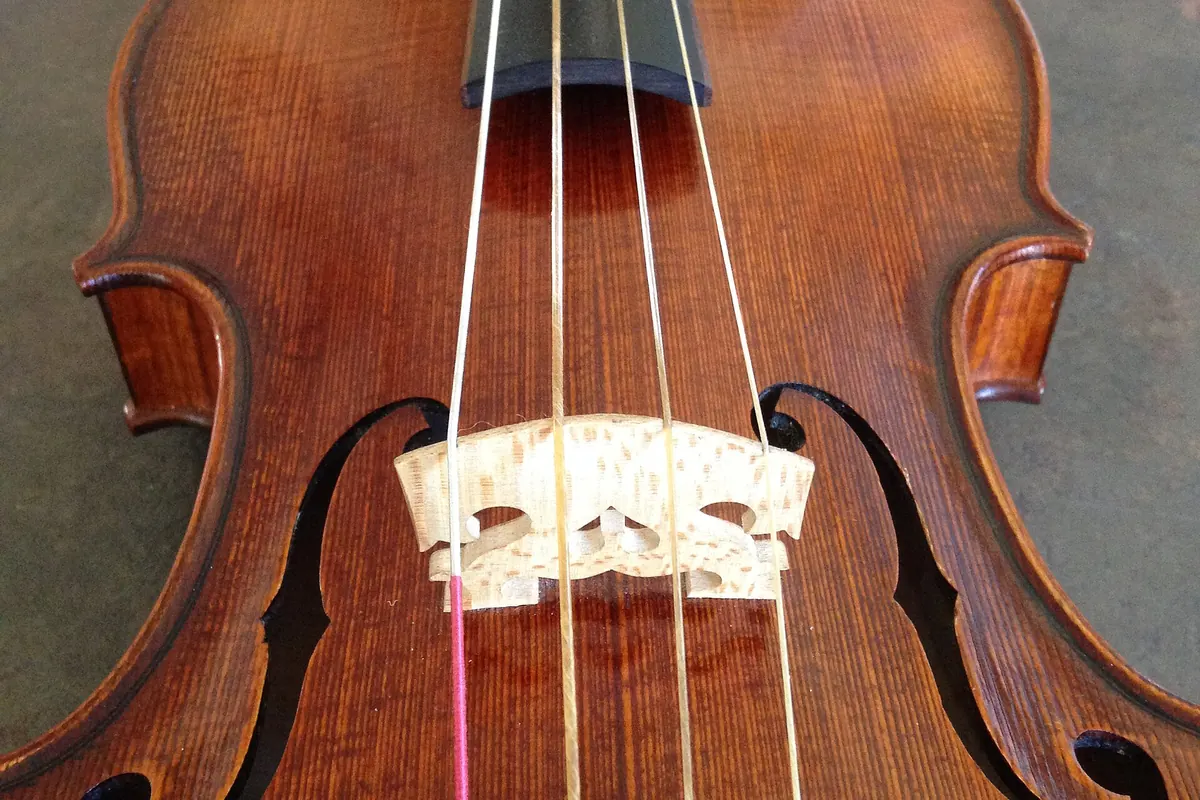
Gut strings are made from the intestines of sheep, cattle and other animals; cats were never used, despite the name catgut. Before the Second World War many violins, lutes and guitars were strung with them, and steel and nylon grew popular in the middle of the twentieth century. Gut is very sensitive to humidity, so its pitch shifts with the air, and it can fray when it meets sweat. Players in the period-performance movement still use it to recreate how Classical, Baroque and Renaissance music sounded when it was new.
Fittings and bows
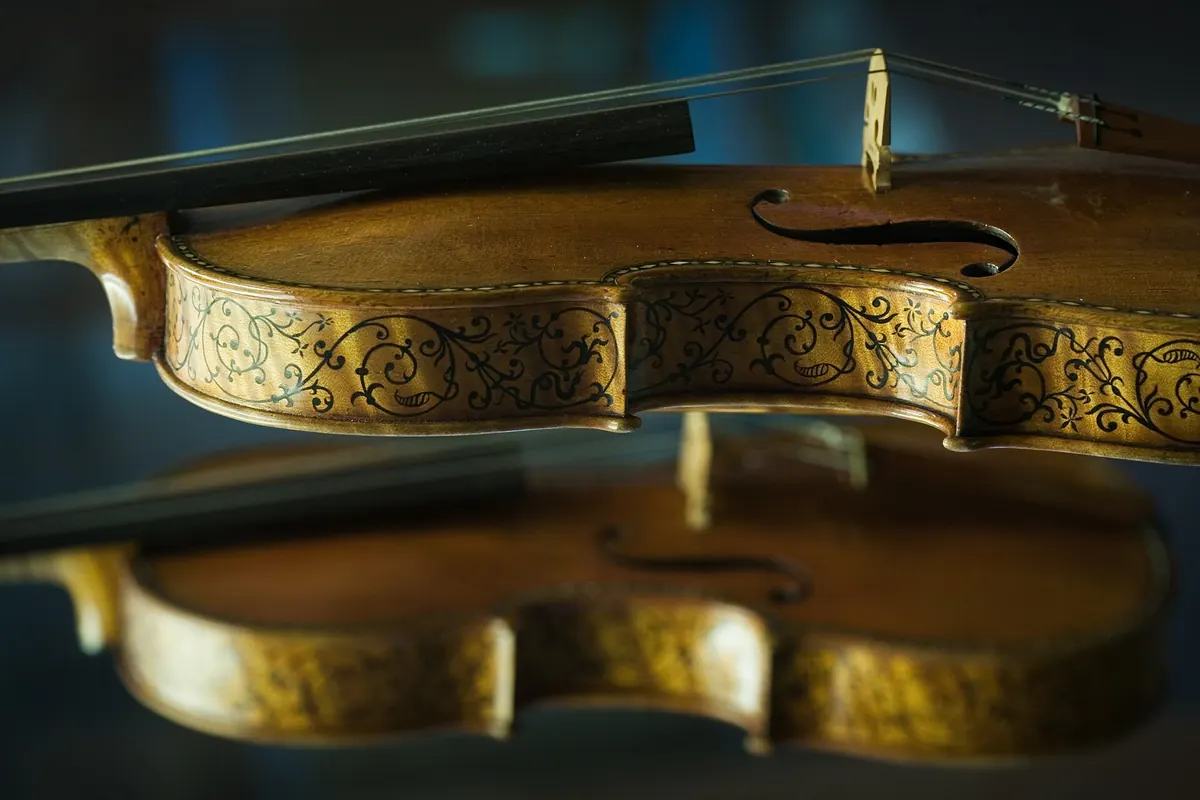
Wikipedia's article on the Baroque violin notes that the chin rest in universal use today was not invented until the early nineteenth century and that shoulder rests are a twentieth-century invention. It also describes Baroque bows as straight or bent slightly outwards, against the marked inward curve of the modern bow, which it links to François Tourte's designs in the later eighteenth century. Later changes to the violin and bow, it says, increased the instrument's overall sound and volume.
The fortepiano
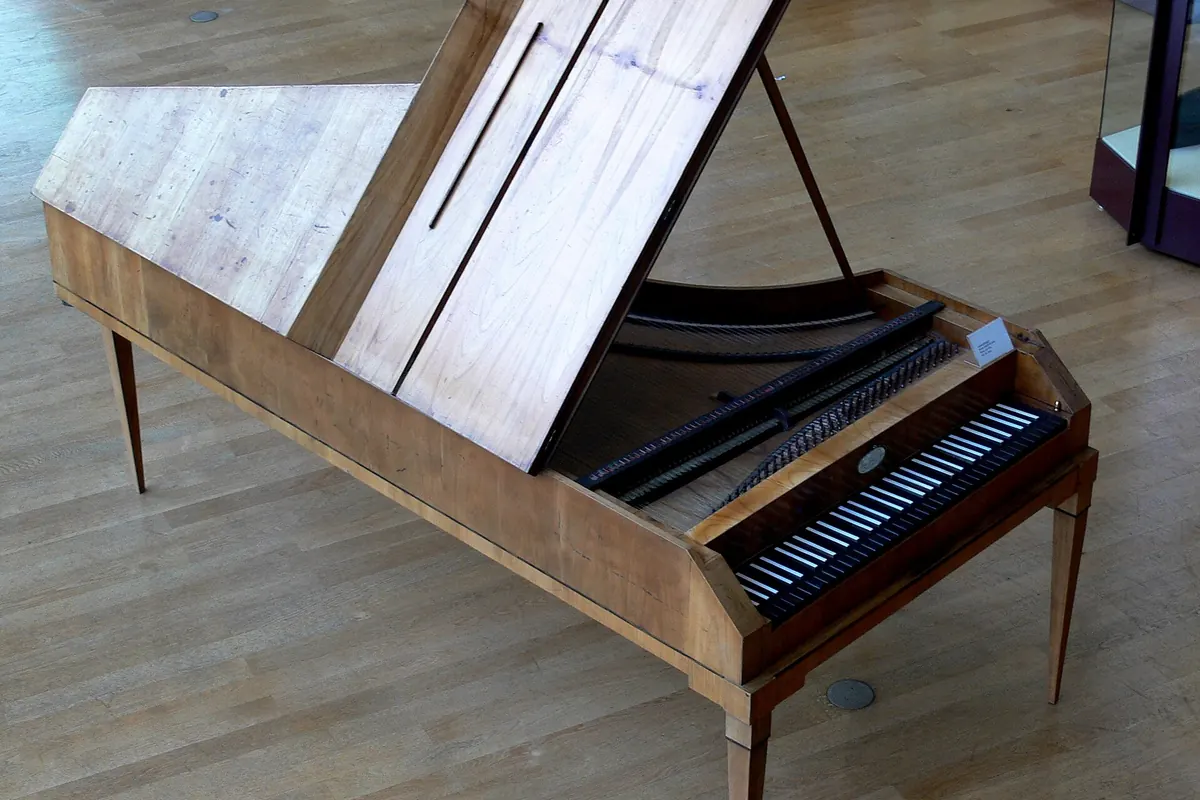
The fortepiano is an early piano. Wikipedia describes leather-covered hammers, thin harpsichord-like strings and a lighter case that in most examples has no metal frame. It has a lighter touch and a softer tone with less sustain, and in Mozart's time its range was about five octaves, against more than seven on a modern piano. Mozart admired Stein's fortepianos but owned one by Anton Walter, which he bought for about 900 florins. A string-only concert will not include one.
The natural horn
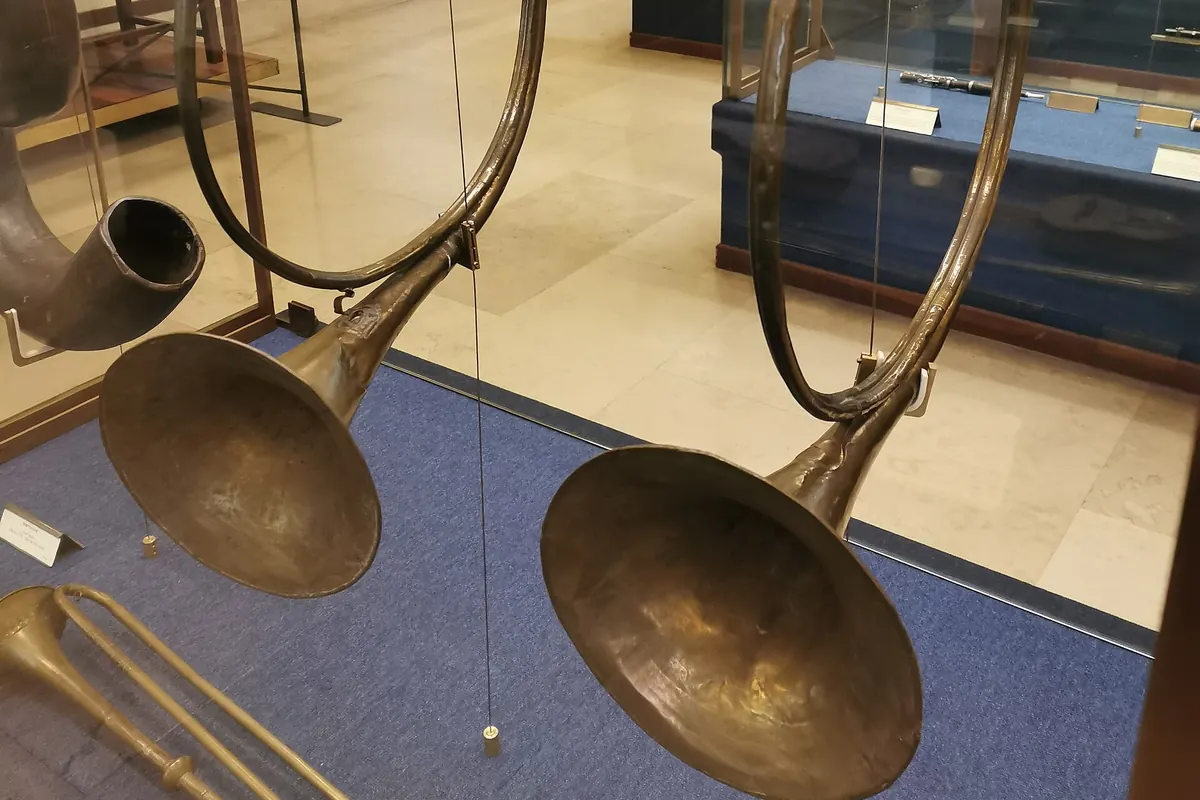
A natural horn has no valves. According to Wikipedia, the player changes notes with the lips, shifts pitch by moving a hand inside the bell and changes key by swapping crooks. Hand-stopping raises the pitch by up to about a semitone and also alters the tone. Crooks were in common use by 1740, and the natural horn stayed in use until valved horns appeared in the early nineteenth century. Mozart's Horn Concerto No. 4 is played on both kinds today.
Pitch
Since 1939 the A above middle C has usually been set at 440 Hz, and Wikipedia notes that 442 Hz is common too. Baroque pitch is now set at 415 Hz, a semitone lower, and Wikipedia says Classical-period instruments such as the fortepiano are tuned to 427 Hz or, more commonly, 430 Hz. Pitch is one reason a period performance can feel slightly different even when the notes on the page are the same.
What to expect at the church
The booking page for the St Anne's concert says the music is played on period instruments by a string ensemble of musicians from Viennese orchestras. It does not name the instruments, the tuning or the pieces. So the fortepiano and natural horn here are background, not promises. What you can expect is a Classical programme by Haydn, Mozart, Beethoven or Schubert, in a room built long before most modern concert halls.
Read next: Is St Anne's concert worth it?
Who this isn't for
A period-instrument concert is not a better or worse version of a modern one. It is a different sound. If you like the full weight of a large orchestra, or a concert grand piano, a period performance may feel quiet. If you want to hear how Mozart's own world might have sounded, it can be the closest a concert ticket gets.
Frequently asked questions
What are period instruments?
Instruments of the kind a composer knew, or modern copies of them, played in the style of that time.
Do period instruments sound quieter?
Wikipedia says later changes to the violin and bow increased the overall sound and volume, so earlier set-ups are generally lighter.
What is baroque pitch?
Wikipedia gives it as 415 Hz, a semitone below the modern 440 Hz. Classical instruments are tuned to 427 or 430 Hz.
Sources